
Currently Empty: ₹0.00

How they work, stages, and examples
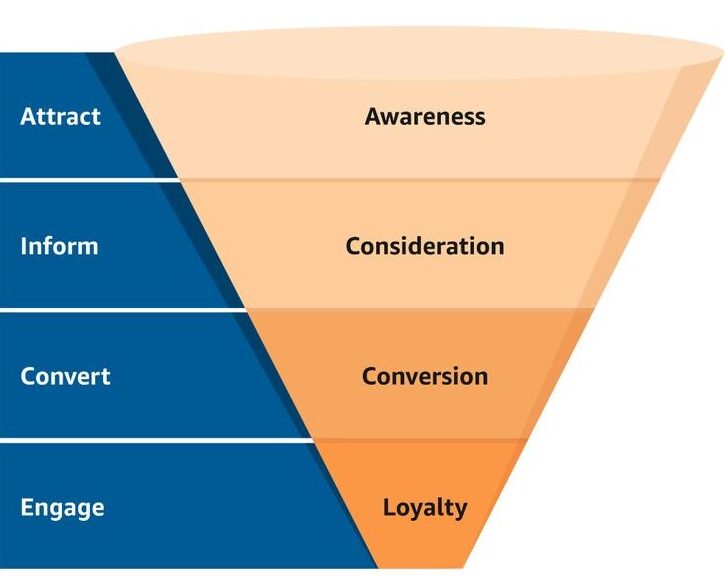
The theoretical customer journey from initial awareness to purchase and beyond is depicted by a marketing funnel model. It is a framework that aids companies in comprehending the steps prospective clients take from learning about a product or service to becoming devoted consumers. The funnel illustrates the natural decline of potential clients at each stage as it narrows from awareness to purchase.
E-commerce Marketing Funnel →
At ZeroCostLift, we help D2C brands boost sales through data-driven ecommerce funnels that include optimized ads, landing pages, and smart retargeting.
Lead Gen Businesses →
At ZeroCostLift, ready-to-use funnel templates for various lead generation businesses, including agencies, coaches, and consultants.
Explore Top Marketing Funnels →
"ZeroCostLift" is a marketing platform that provides reverse-engineered sales funnels, templates, and insights from successful, high-revenue brands, particularly in the Indian market.
What is a marketing funnel?
A marketing funnel is the purchase cycle consumers go through from awareness to loyalty. The marketing funnel concept has been around for over 100 years, and its purpose is to easily categorize major milestones along the shopping journey, from awareness to consideration, to decision, and then loyalty.
Why are marketing funnels important?
Though the customer journey may not be as linear as the simplified one expressed in the marketing funnel, the concept is still important. The digital path to purchase is anything but linear, and the digital marketing funnel accounts for the fact that consumers enter and exit and move around the funnel, and their shopping isn’t limited to a single store or geographic area. With customers’ ability to shop anywhere, at any time, brands should consider how they can reach them at every stage of the customer journey.
The consideration phase in the digital marketing funnel alone can involve extensive online research and comparison by consumers, and is no longer limited to in-store product comparisons. Many brands have adjusted to this new way of shopping and embraced this less-linear path to purchase by connecting with customers in authentic and valuable ways across the funnel. Marketing funnels are also important for both lead generation and lead nurturing. In the awareness and consideration phases, brands use campaigns to attract new leads. In the decision and loyalty phases, brands use campaigns to nurture current leads and, eventually, help grow customers into brand advocates.
Digital marketing and the marketing funnel are critical to connecting the dots between what channels, tactics, and content are driving the most attention, conversations, and, ultimately, sales for their brand.
Stages of the marketing funnel
There is no universally accepted version of the funnel, with varied explanations including three, four, or five or more steps consumers go through in their shopping journey. We’ll outline a four-stage marketing funnel below, including the stages of awareness, consideration, conversion, and loyalty.
1. Awareness
Brand awareness is familiarity with a brand, which could include knowledge of its name, messaging, tone and style, values, and culture. Brand awareness begins with consumer research, and involves attracting customers to a brand and helping them recognize and remember it. The goal is to keep the brand top of mind by employing relevant customer touch points along the path to purchase. To drive awareness, brands want to get in front of consumers where they are. This could include television—both linear and streaming TV—digital advertising, audio ads, social media campaigns, content marketing, and more. 84% of shoppers begin their online product searches on digital channels that aren’t a brand’s owned website, so these touch points have become increasingly important.1 The objective at the end of the awareness phase is for your brand to stay top of mind for customers, so that when the time comes for them to make a purchase, they think of you.
2. Consideration
The goal of consideration marketing is to make customers more likely to choose your brand while shopping. At this stage, they’re exploring options and learning what sets you apart. Brands should educate and inform, showing how their product or service solves customer needs. Effective strategies include customer reviews, testimonials, case studies, and webinars to build trust and guide customers closer to purchase. At ZeroCostLift, we help you design these strategies to connect with your audience and drive meaningful engagement.
3. Conversion
The goal of the conversion stage is to encourage shoppers to purchase a product or service because they believe the brand they’ve chosen is the right solution to their problem or meets their need. Also referred to as the “decision” or “purchase” phase, this step is a brand’s opportunity to invest in a strategy that will help them stand out in their category and differentiate themselves from peer products. This phase is where a well-detailed website product page is important, as well as creating an exceptional customer service experience to inspire customer confidence in their buying decisions. Conversion can be a relatively easy stage of the funnel to measure, because you can often track which ad click led directly to a purchase. However, it’s important to remember that customer interactions in the previous two stages directly influence whether customers ultimately convert.
4. Loyalty
Brands can foster loyalty by providing a seamless purchase experience and delivering a quality product or service. By following up and nurturing connections with consumers after purchase, brands can stay top of mind for shoppers. Positive interactions during and after the purchase stage can help influence whether a shopper becomes a repeat customer. Without a plan for fostering customer loyalty, brands may find that many customers make a single purchase and move on. On average, it costs a brand five times more to acquire a new customer than retain an existing one,2 which is why some marketers also call this phase the “engagement” stage. To build loyalty, it’s important to continue engaging with customers who have invested in your brand’s products or services. Effective engagement marketing, such as email nurture campaigns, social media activations, and loyalty programs can be impactful when it comes to building brand loyalty with customers. At the end of this stage, the goal is that you’ve earned loyal, satisfied customers who become brand advocates and lifelong customers.
What is the difference between the marketing and sales funnel?
Some people use the terms “marketing funnel” and “sales funnel” interchangeably; in fact, some combine them into one term: the marketing sales funnel. In reality, they’re two parts of a whole. The marketing and sales functions of a company or organization have their own goals, and their respective funnels support those goals. The marketing function is tasked with creating and managing a brand, generating awareness, and driving sales-qualified leads, whereas the sales function is focused on increasing products or services sold, both initially and repeatedly. Using one to inform the other can help teams stay in sync and create an optimal customer experience.